
If you’re searching for smarter ways to dominate the battlefield, master positioning, and outmaneuver opponents in dark-fantasy and war-themed games, you’re in the right place. This article breaks down the mechanics that separate average players from true tacticians—covering combat systems, resource control, and the tactical edge that wins wars before the first strike lands.
One of the most overlooked elements in competitive play is high ground advantage gaming—a strategic principle that influences damage output, visibility, defensive strength, and overall battlefield control. Understanding how elevation, terrain design, and movement mechanics interact can dramatically shift the outcome of any encounter.
Our insights are built from extensive analysis of modern combat systems, in-game testing, and deep dives into evolving battle mechanics across today’s most popular titles. Whether you’re refining your strategy or looking for advanced techniques, this guide delivers practical, experience-backed tactics you can apply immediately to gain the upper hand.
Mastering the High Ground: The Ultimate Tactical Advantage
Most players know elevation matters in high ground advantage gaming. Yet knowing isn’t winning. The real edge comes from weaponizing angles, vision cones, and movement tax.
Vertical Pressure Doctrine
First, convert sightlines into denial zones. Height extends render priority and reaction windows. That means earlier target acquisition—a measurable advantage cited in FPS map studies (GDC Vault).
However, critics argue high ground paints you as a silhouette. True—if you static-hold. Instead, cycle micro-repositions after bursts.
Second, layer utility downward: splash, suppression, stamina drains.
Finally, anticipate ladders, jump pads, and blink routes; pre-aim pixels.
The Core Principles of Vertical Warfare
Vision is Victory
First and foremost, elevation wins information wars. In dark-fantasy siege maps like obsidian ramparts or shattered citadel walls, a unit holding the ridge can track flanking rogues, siege golems, or mana artillery long before they close distance. This expanded line of sight—often called “vision control” in tactical PvP—lets defenders pierce the fog of war and dictate engagement timing. In practical terms, it’s the difference between reacting and orchestrating. Pro tip: always pair elevation with scout units or wards to extend visibility beyond the crest.
Creating Fatal Funnels
Moreover, high ground naturally shapes the battlefield into chokepoints. Attackers climbing a narrow switchback or broken stairwell can’t spread into optimal formations. Instead, they stack—perfect for area-of-effect (AoE) spells like meteor bursts or cone-based dragonfire. This forced predictability is what seasoned raid leaders call a “fatal funnel.” Think Helm’s Deep, but with cooldown timers and stamina bars. When terrain compresses movement, defenders multiply their damage efficiency without increasing troop count.
The Defender’s Fortress
At the same time, elevated terrain is structurally easier to defend. Uphill climbers burn stamina, suffer slower movement speed, and lose clean sightlines. Meanwhile, defenders gain natural cover from parapets, rubble, or even elevation-based hitbox advantages common in high ground advantage gaming. Clear firing lanes mean fewer friendly-fire risks and tighter formation discipline.
Psychological Warfare
Finally, morale fractures under gravity’s weight. Assaulting a fortified peak signals casualties before the first clash. When troops see silhouettes waiting above, hesitation sets in—and hesitation, in war mechanics, is defeat’s opening move.
Offensive High-Ground Maneuvers: Seizing the Summit
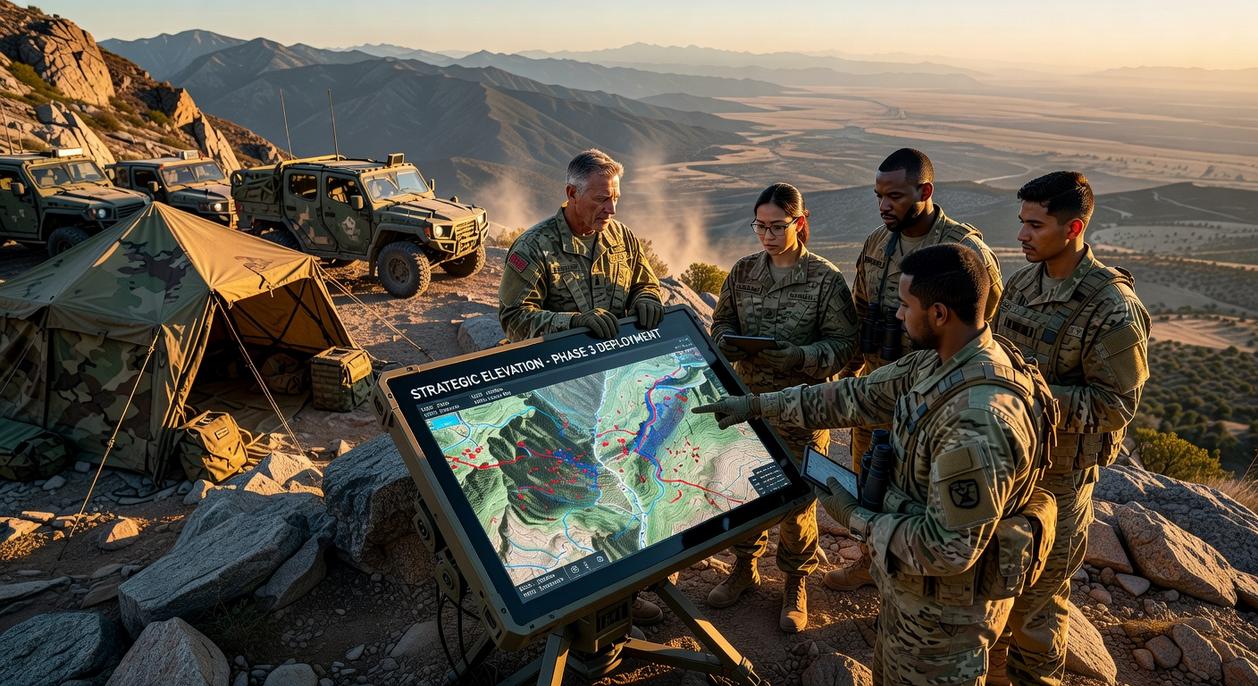
In competitive strategy games, elevation isn’t cosmetic—it’s mathematical. High ground refers to any elevated terrain that increases visibility, firing range, or defensive advantage. When comparing elevated units vs. ground-bound units, the difference is dramatic: the former often gain extended range and clearer line of sight, while the latter suffer from obstruction and exposure.
Ranged Supremacy: Height vs. Flat Terrain
Archers, snipers, siege engines, and battlemages scale harder with altitude than melee fighters. From above, projectile drop-off decreases and firing arcs widen (translation: fewer missed shots, more panic below). On flat terrain, ranged units trade evenly. From elevation, they dominate.
- Archers: Extended sightlines = earlier target acquisition
- Snipers: Clear headshots without terrain interference
- Siege units: Broader splash impact zones
- Battlemages: Safer channeling of high-cast abilities
That’s the core of high ground advantage gaming—turning geometry into damage output.
The High-Low Pincer: Pressure vs. Collapse
Option A: Attack head-on at equal height.
Option B: Pin from above while flanking below.
The second creates a crossfire—suppressive fire (continuous attacks that limit enemy movement) forces hesitation, while your ground force closes in. It’s chess with hit points (and far less polite).
Establishing Early Dominance
A “High-Ground Rush” prioritizes speed over bulk. Mobile scouts or light infantry seize vantage points immediately, dictating map tempo. Compare this to a defensive turtle strategy: slower, reactive, and often boxed in.
In-Game Resource Control
High ground frequently overlooks resource nodes. Control the summit, and you monitor harvest routes, ambush reinforcements, and dictate rotations. Mastering positioning pairs naturally with timing your engagements when to attack and when to retreat—because height means nothing if you strike at the wrong moment.
Breaking the Siege: How to Topple a King from His Castle
I learned this the hard way during a late-night siege match that stretched past 2 a.m. We charged the castle gates head-on, confident in our numbers. Ten minutes later, we were nothing but smoldering loot crates. That’s when I understood a core truth of high ground advantage gaming: elevation isn’t just terrain—it’s power.
Blinding the Eye
First, you blind the king.
In siege mechanics, vision denial means stripping defenders of their ability to see and target effectively. Smoke grenades, magical obscurity spells, even triggered sandstorms all serve one purpose: remove line of sight. Without vision, archers lose accuracy, artillery guesses, and panic sets in (and panic spreads fast).
I once coordinated a push where we layered smoke with a darkness spell. The defenders fired wildly into the fog while our units advanced untouched. Pro tip: stack vision denial with sound cues to create confusion—players often react to noise before visuals.
The Multi-Pronged Assault
Next, never attack from one direction.
A single-lane assault concentrates your force—but also the enemy’s. Instead, divide attention. Send infantry to the gate, climbers to the rear wall, and a distraction squad to the eastern ridge. When defenders split resources, their advantage fractures.
Think Helm’s Deep—but imagine if the defenders had to guard three breaches at once.
Leveraging Specialized Units
Every fortress has blind spots. Use anti-high-ground units—fliers, teleporters, burrowers, wall-climbers. These bypass conventional defenses entirely.
In one match, a single tunneling unit surfaced behind enemy ballistae and dismantled them in seconds. Chaos followed. The gate fell shortly after.
Indirect Fire and Siegecraft
Finally, rain destruction without exposing yourself.
Indirect fire—catapults, mortars, arcing spells—forces defenders to reposition. And once they move, they’re vulnerable. Castles are strong, yes. But no king rules long when the sky itself turns against him.
Elevated terrain is not scenery; it is a system-driven advantage baked into combat design. Line-of-sight algorithms extend your vision radius, and projectile physics reward downward arcs, and stamina drains faster for enemies charging uphill. Ignore that, and you invite predictable defeats. Embrace high ground advantage gaming, and you convert geography into damage, intel, and tempo.
Consider the benefits:
- Expanded vision control that reveals flanks before they collapse.
- Damage amplification through gravity-assisted attacks.
- Defensive efficiency as chokepoints funnel opponents.
Some argue aim outweighs position, but elevation repeatedly decides coordinated fights in competitive play—claim it and control outcomes decisively.
Understanding how positioning can dictate the outcome of battles not only highlights the importance of the high ground advantage but also provides valuable insights into the tactical decision-making processes that pro players must navigate when faced with intense pressure, as explored in our analysis of their strategies – for more details, check out our Analyzing Pro Player Decision-Making Under Pressure.
Claim the Battlefield Before It Claims You
You came here to master the edge that separates victory from defeat — and now you understand how positioning, terrain control, timing, and resource management all work together to create high ground advantage gaming dominance. When battles feel chaotic or unwinnable, it’s often not your strength that’s lacking — it’s your positioning.
The difference between constant respawns and calculated victories is knowing how to control elevation, dictate engagement angles, and force opponents into disadvantageous fights. That frustration of losing close encounters? It fades when you consistently fight from superior ground.
Now it’s time to act. Start applying these tactics in your next match. Analyze every map for elevation opportunities. Adjust your loadouts to support vertical control. Practice forcing enemies into low-ground engagements.
If you’re serious about dominating war-themed combat systems and mastering dark-fantasy battlefields, dive deeper into our strategy breakdowns and advanced combat guides. Thousands of competitive players sharpen their edge with these insights — and you can too.
Take control of the terrain. Control the fight. Win more battles starting today.
 Gabrielakina Beeson is the kind of writer who genuinely cannot publish something without checking it twice. Maybe three times. They came to battle strategy insights through years of hands-on work rather than theory, which means the things they writes about — Battle Strategy Insights, Dark-Fantasy Combat Systems, Hot Gaming Topics, among other areas — are things they has actually tested, questioned, and revised opinions on more than once.
That shows in the work. Gabrielakina's pieces tend to go a level deeper than most. Not in a way that becomes unreadable, but in a way that makes you realize you'd been missing something important. They has a habit of finding the detail that everybody else glosses over and making it the center of the story — which sounds simple, but takes a rare combination of curiosity and patience to pull off consistently. The writing never feels rushed. It feels like someone who sat with the subject long enough to actually understand it.
Outside of specific topics, what Gabrielakina cares about most is whether the reader walks away with something useful. Not impressed. Not entertained. Useful. That's a harder bar to clear than it sounds, and they clears it more often than not — which is why readers tend to remember Gabrielakina's articles long after they've forgotten the headline.
Gabrielakina Beeson is the kind of writer who genuinely cannot publish something without checking it twice. Maybe three times. They came to battle strategy insights through years of hands-on work rather than theory, which means the things they writes about — Battle Strategy Insights, Dark-Fantasy Combat Systems, Hot Gaming Topics, among other areas — are things they has actually tested, questioned, and revised opinions on more than once.
That shows in the work. Gabrielakina's pieces tend to go a level deeper than most. Not in a way that becomes unreadable, but in a way that makes you realize you'd been missing something important. They has a habit of finding the detail that everybody else glosses over and making it the center of the story — which sounds simple, but takes a rare combination of curiosity and patience to pull off consistently. The writing never feels rushed. It feels like someone who sat with the subject long enough to actually understand it.
Outside of specific topics, what Gabrielakina cares about most is whether the reader walks away with something useful. Not impressed. Not entertained. Useful. That's a harder bar to clear than it sounds, and they clears it more often than not — which is why readers tend to remember Gabrielakina's articles long after they've forgotten the headline.