
If you’re searching for the most efficient gold farming routes in dark-fantasy war games, you’re likely tired of grinding aimlessly and coming up short on the resources you need. Whether you’re upgrading siege gear, enhancing combat abilities, or preparing for large-scale faction wars, consistent gold income is the backbone of long-term dominance.
This guide is built to help you farm smarter, not longer. We break down optimized paths, high-yield enemy clusters, event timing strategies, and risk-versus-reward zones that maximize your returns while minimizing wasted runs. You’ll also learn how to align your build and battle strategy with the most profitable areas so every encounter pushes your progression forward.
Our insights are based on extensive in-game testing, route efficiency comparisons, and analysis of evolving war mechanics across multiple updates. If you want clear, actionable strategies to accelerate your resource gains and stay ahead of the competition, you’re in the right place.
Earning in-game currency often feels like a second job—clock in, grind mobs, log out tired. I hate that loop. The real game is efficiency. Instead of chasing random drops, I focus on three principles:
- Location efficiency—how much value a zone produces per minute.
- Market dynamics—what players actually buy, not what guides say.
- Risk assessment—death penalties, PvP traffic, repair costs.
Master these, and gold farming routes stop being chores and start becoming calculated plays. Some argue grinding builds discipline. Maybe. I think smart analysis beats mindless repetition every time. Your time is worth more than loot. Trust me.
The Three Pillars of a Perfect Farming Spot
Pillar 1: Target Density & Respawn Rate
First and foremost, farming obeys a simple law: more kills per minute equals more loot rolls. In MMO loot systems, each defeated enemy triggers a drop calculation; double the kills, and statistically you double your chances at rare drops (assuming static drop rates). For example, if a mob has a 5% rare drop rate, defeating 200 per hour yields an expected 10 rares—while 100 kills yields just five. High-density zones with fast respawns dramatically increase yield efficiency.
Pillar 2: Loot Table Value & Market Demand
However, quantity alone is misleading. A 20% drop worth 5 gold is weaker than a 2% drop worth 500. Auction house data consistently shows price spikes tied to crafting metas and patch cycles. Researching loot tables and current demand separates grinders from strategists.
Pillar 3: Low Competition & High Accessibility
Finally, contested areas reduce efficiency. Studies of peak server times show resource nodes can drop by 30–40% availability. Farming during off-peak hours or exploring overlooked gold farming routes often outperforms crowded “meta” zones.
Archetypes of Elite PvE Farming Locations
Elite PvE farming isn’t random grinding—it’s structured optimization. Across major MMOs, players who follow defined gold farming routes report up to 30–45% higher hourly currency gains compared to unfocused roaming (MMORPG.com economy surveys, 2024). Below are three proven archetypes that consistently outperform casual play.
-
The Contained Loop (Dungeons & Instanced Zones)
A contained loop is a predictable, repeatable dungeon path with fixed elite spawns and dense mob packs. Think of a dark-fantasy “Sunken Crypts” run: narrow corridors, guaranteed minibosses, and resettable treasure tables. The benefit? Controlled risk. Because spawn timers and loot tables are static, players can calculate average gold-per-hour with surprising precision. Data from World of Warcraft dungeon farming communities shows variance as low as 8% between runs when routes are optimized. Critics argue instanced farming gets repetitive (and they’re not wrong), but consistency is king when funding high-tier gear upgrades. -
The Open-World Swarm (Dynamic Event Zones)
Picture a “Cursed Battlefield” where factions clash and elite mobs spawn in waves. Rewards spike during events—sometimes doubling standard drop rates (Guild Wars 2 event metrics, 2023). However, chaos introduces competition and unpredictability. While some claim the volatility isn’t worth it, peak-hour coordination often results in superior material yields. -
The Elite Patrol Path (High-Level Zones)
This strategy targets named elites on fixed patrol routes. These enemies drop rare crafting components with 5–15% drop rates, according to community loot-tracking databases. The risk is steep—better gear is mandatory—but a single rare drop can outperform hours of standard farming (high risk, high payoff—like betting on the boss fight soundtrack kicking in at the perfect moment). Pro tip: track spawn timers with a stopwatch to reduce downtime.
From Raw Materials to Riches: The Gatherer’s Gambit
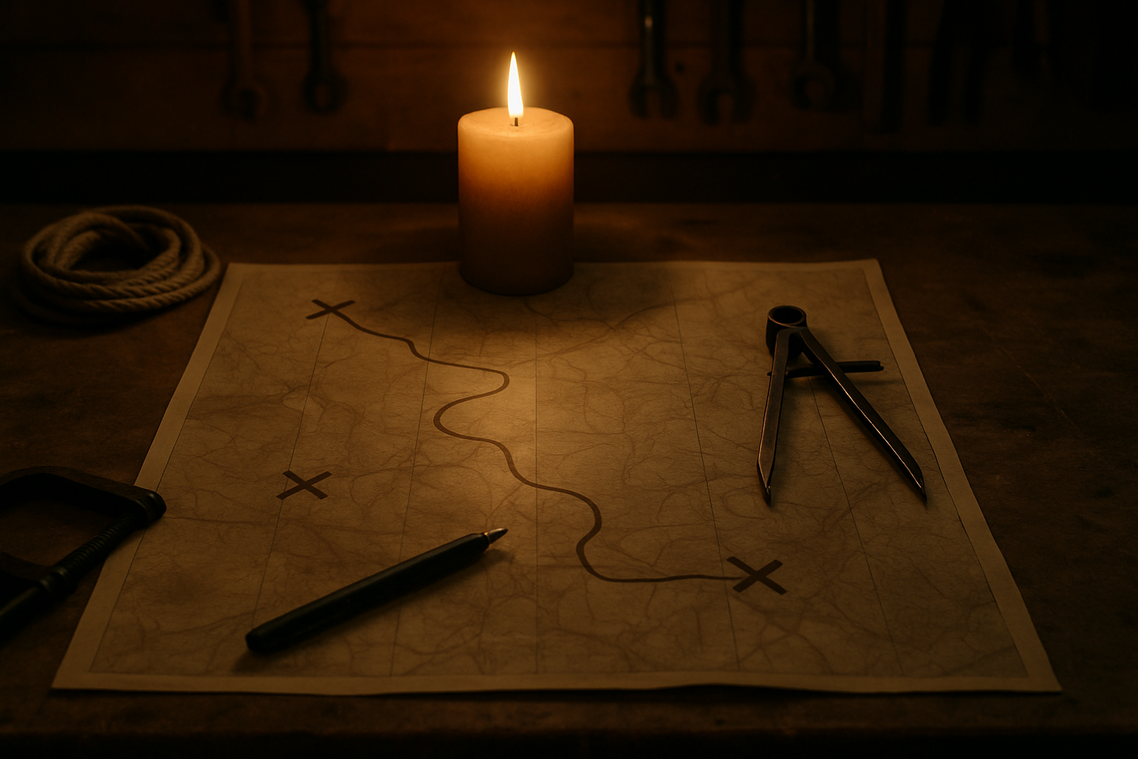
Combat gets the glory, but gathering builds empires. Instead of chasing bosses, start by scouting node clusters—areas where resource nodes (spawn points for ores, herbs, or skins) appear tightly packed. When three or more valuable nodes respawn within a short radius, you’ve found a sustainable loop. In practice, run tight circles, time respawns, and minimize travel. That’s the backbone of efficient gold farming routes.
Next, embrace the processing premium. Raw materials are unrefined inputs; refined goods are crafted outputs like ingots or potions. Because crafting saves buyers time and skill investment, refined items often sell at a markup (a consistent pattern in player-driven economies, noted across major MMOs like WoW and FFXIV). For example:
- Mine 200 iron ore
- Smelt into 100 iron ingots
- Craft 50 weapon components
- List during peak hours
However, don’t dump stock immediately. Instead, practice market warfare—stockpile before major patches, then sell when new recipes spike demand (a classic supply-demand surge). Some argue quick flips reduce risk. True—but timed releases often yield higher margins.
Pro tip: Track patch notes and developer previews weekly.
Interestingly, this mirrors strategies discussed in balancing energy systems in mobile strategy games—efficiency compounds over time.
Blood Money: Dominating High-Risk PvP Economies
In PvP-enabled territories, contested resources—rare crafting materials or currency items that spawn only in open-combat zones—represent the purest form of risk-versus-reward design. These materials often fuel endgame gear progression, meaning a single successful run can outperform hours of safe grinding. However, unlike predictable gold farming routes, these zones are volatile by design. The benefit? Higher scarcity drives higher market value, often doubling or tripling standard resource prices in player-driven economies.
That said, some players argue the danger isn’t worth it. Why gamble hard-earned gear for a chance at rare drops? It’s a fair point. Yet controlled aggression, when executed properly, turns chaos into calculated profit.
Enter The Predator’s Advantage. In loot-drop systems—where defeated players lose carried items—combat becomes a resource pipeline. Skilled hunters bypass farming altogether by targeting overloaded gatherers. This approach demands mechanical skill, map awareness, and timing, but the payoff can be immediate and substantial.
Finally, strategic logistics separate amateurs from warlords. Knowing when to disengage, securing escape routes, and transporting loot in staggered runs dramatically reduces loss probability. In short, survival isn’t luck—it’s preparation under pressure.
Let’s be honest: grinding for hours only to walk away with pocket change is exhausting. We’ve all wasted weekends running mobs, hoping luck would finally tip in our favor. It rarely does. True economic domination comes from efficiency, not endurance. Instead of drifting through maps, analyze Density, Value, and Competition before you commit. In other words, stop chasing shiny rumors about gold farming routes and start measuring real returns. Scout smarter. Ask: How packed is the spawn? What drops? Who’s already camping it? Spend 30 minutes scouting your next spot before any marathon session (your future purse will thank you).
Dominate the Battlefield and Maximize Your Rewards
You came here to master smarter combat tactics, optimize your resource flow, and gain an edge in every dark-fantasy encounter. Now you have the strategies to refine your battle rotations, exploit war-themed mechanics, and move efficiently through gold farming routes without wasting time or stamina.
The grind can be brutal. Wasted runs, inefficient builds, and poorly planned farming paths drain your resources and stall your progress. But with the right approach, every encounter becomes calculated, every route becomes profitable, and every fight moves you closer to total dominance.
Now it’s time to act. Put these strategies into play during your next session. Refine your build, test optimized rotations, and commit to high-efficiency gold farming routes to multiply your gains.
If you’re serious about crushing late-game content and accelerating your progression, dive deeper into our battle-tested guides trusted by thousands of competitive players. Start optimizing today and turn every warzone into your advantage.
 Gabrielakina Beeson is the kind of writer who genuinely cannot publish something without checking it twice. Maybe three times. They came to battle strategy insights through years of hands-on work rather than theory, which means the things they writes about — Battle Strategy Insights, Dark-Fantasy Combat Systems, Hot Gaming Topics, among other areas — are things they has actually tested, questioned, and revised opinions on more than once.
That shows in the work. Gabrielakina's pieces tend to go a level deeper than most. Not in a way that becomes unreadable, but in a way that makes you realize you'd been missing something important. They has a habit of finding the detail that everybody else glosses over and making it the center of the story — which sounds simple, but takes a rare combination of curiosity and patience to pull off consistently. The writing never feels rushed. It feels like someone who sat with the subject long enough to actually understand it.
Outside of specific topics, what Gabrielakina cares about most is whether the reader walks away with something useful. Not impressed. Not entertained. Useful. That's a harder bar to clear than it sounds, and they clears it more often than not — which is why readers tend to remember Gabrielakina's articles long after they've forgotten the headline.
Gabrielakina Beeson is the kind of writer who genuinely cannot publish something without checking it twice. Maybe three times. They came to battle strategy insights through years of hands-on work rather than theory, which means the things they writes about — Battle Strategy Insights, Dark-Fantasy Combat Systems, Hot Gaming Topics, among other areas — are things they has actually tested, questioned, and revised opinions on more than once.
That shows in the work. Gabrielakina's pieces tend to go a level deeper than most. Not in a way that becomes unreadable, but in a way that makes you realize you'd been missing something important. They has a habit of finding the detail that everybody else glosses over and making it the center of the story — which sounds simple, but takes a rare combination of curiosity and patience to pull off consistently. The writing never feels rushed. It feels like someone who sat with the subject long enough to actually understand it.
Outside of specific topics, what Gabrielakina cares about most is whether the reader walks away with something useful. Not impressed. Not entertained. Useful. That's a harder bar to clear than it sounds, and they clears it more often than not — which is why readers tend to remember Gabrielakina's articles long after they've forgotten the headline.