If you’re searching for deeper insight into Dark War Fall’s most intense battles, you’re likely looking for more than surface-level tips. Winning in this dark-fantasy battlefield isn’t just about raw power—it’s about mastering war-themed mechanics, optimizing in-game resources, and refining map control strategies that dictate the pace of every encounter.
This article breaks down the combat systems shaping the current meta, from aggressive early-game positioning to calculated late-game domination. You’ll learn how to manage scarce resources under pressure, counter popular battle builds, and turn terrain advantages into decisive victories.
Our analysis draws from extensive gameplay testing, high-level match observations, and a close study of evolving player tactics. Instead of recycled advice, you’ll find practical, experience-backed guidance designed to help you outmaneuver opponents and adapt to shifting battlefield dynamics.
Whether you’re climbing competitive ranks or sharpening your war tactics, this guide will give you the strategic clarity needed to control the fight from start to finish.
From Pixels to Empires: Mastering Territorial Control
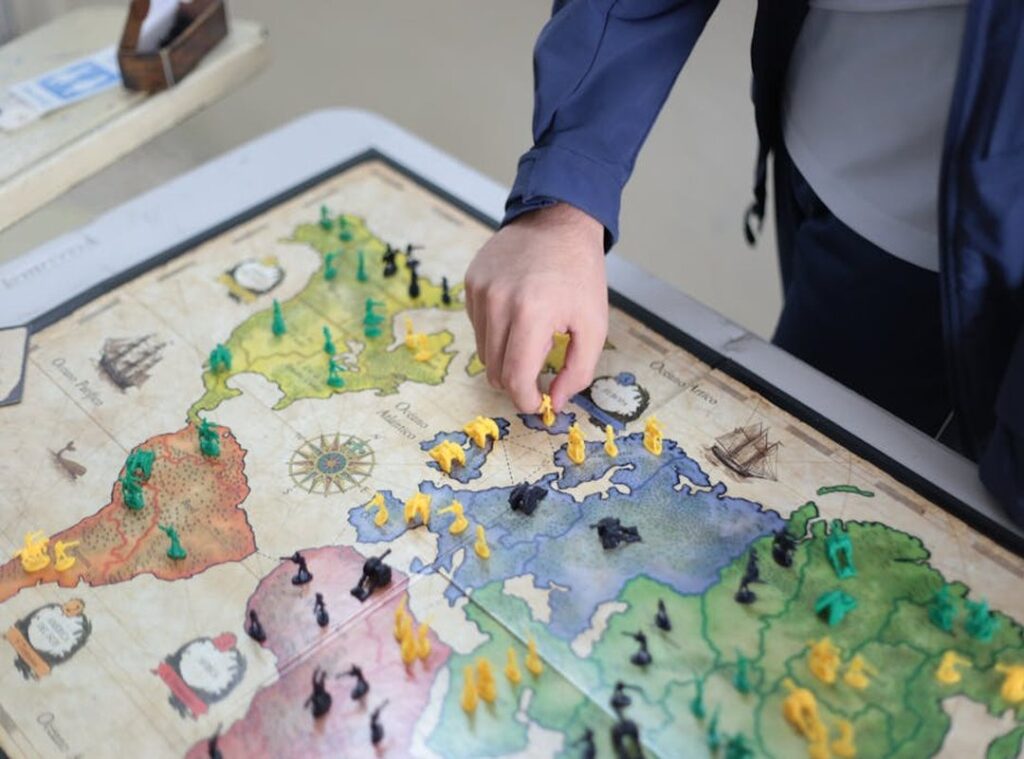
Turning a blank map into a painted empire sounds simple—expand, conquer, repeat. But overexpansion is the silent killer (yes, even pros fall for it). Territorial control means holding land sustainably, not just grabbing it.
Many argue rapid conquest intimidates rivals. Sometimes it does. More often, it stretches supply lines, drains resources, and invites coordinated attacks—like every overconfident villain in a season finale.
Elite players focus on:
- Layered defenses before new expansion
- Resource nodes as priority anchors
- Chokepoint fortification
The real edge? Adaptive map control strategies that balance growth with reinforcement cycles. Conquer slower. Fortify smarter. Dominate longer.
The Unseen Battlefield: Winning with Superior Intelligence
The first enemy you face is not a rival faction but the Fog of War. It is the game mechanic that hides terrain, troops, and resources beyond your vision radius. If you cannot see the map, you cannot control it.
Some players argue brute force wins battles, but charging blindly usually feeds the enemy free victories. Scouting simply means gathering information before committing your army. There are two clear types:
- Active intelligence uses cheap, fast, expendable units to probe enemy borders and reveal resource nodes.
- Passive intelligence relies on watchtowers, observation posts, or hidden spies to maintain long-term vision over chokepoints.
Think of it like security cameras versus patrol cars. Both matter. This is where map control strategies become practical rather than theoretical.
Data from scouting clarifies where to expand, which valleys offer natural defenses, and which territories sit undefended. Actionable intelligence means information you can immediately use. If a cluster of high-yield mines lies behind a thin enemy line, that becomes a priority target. If a mountain pass controls movement, fortify it before your opponent does.
Intelligence turns chaos into choice. And choice wins wars. Seeing first means striking smarter. Every time.
Blitz and Build: The Art of Aggressive Expansion
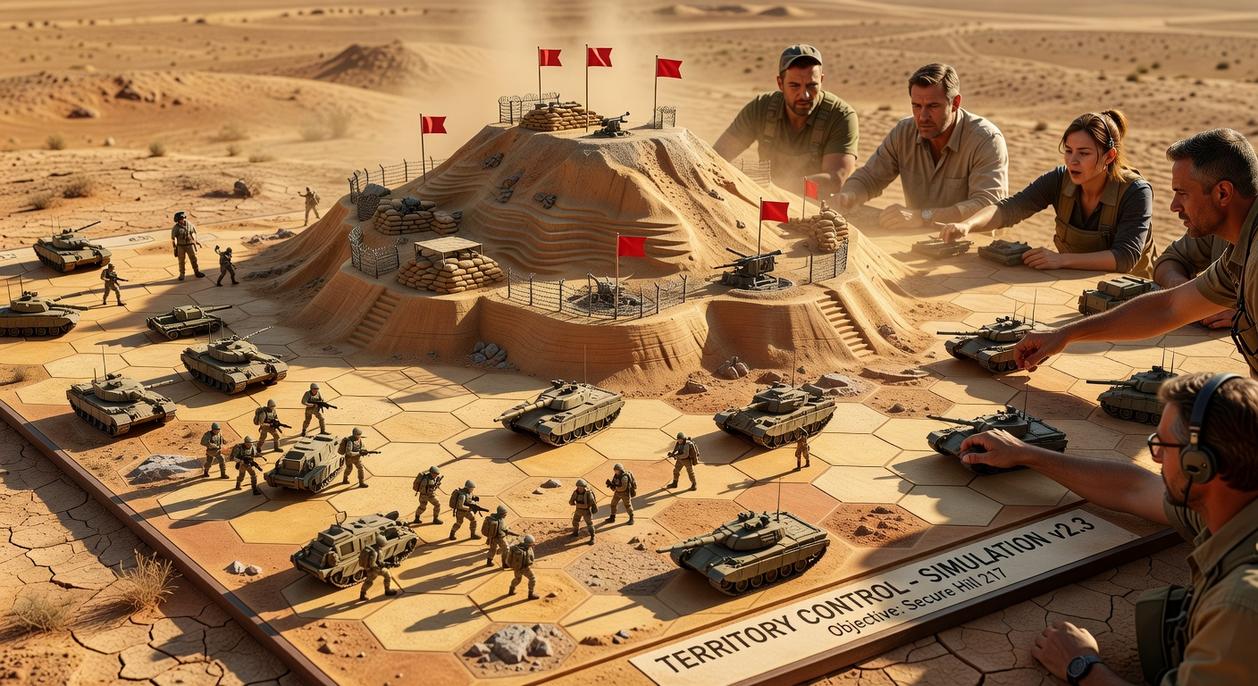
In most war-driven strategy games, the early minutes decide everything. The Initial Land Grab—that frantic opening phase where players race to secure territory—sets your long-term resource ceiling. In simple terms, it’s the difference between owning the gold mine and begging for scraps (and nobody enjoys the digital equivalent of rationing).
The Initial Land Grab
First and foremost, prioritize speed over perfection. Hesitation costs territory, and territory equals income. Some players argue for slow, defensive starts to avoid early losses. That sounds safe—but in practice, passive openings often surrender initiative and momentum. Instead, claim space fast, then fortify.
Tactic 1 – Overwhelm
Overwhelm means deploying massed, low-cost units to flood adjacent neutral zones. Think Zerg rush from StarCraft—quantity creates pressure. I recommend:
- Training inexpensive units immediately
- Expanding in clusters to form a buffer zone
- Reinforcing borders before pushing farther
This approach supports broader map control strategies without overextending.
Tactic 2 – Leapfrogging
On the other hand, Leapfrogging skips low-value tiles to seize a critical asset deep on the map—a gold mine, high ground, or chokepoint. It’s high-risk, high-reward. If you try this, commit fully and secure it fast. Half-measures invite disaster.
Forward Operating Bases (FOBs)
Finally, establish Forward Operating Bases (FOBs)—small fortified outposts that act as rally points and supply hubs. A solid FOB transforms a risky expansion into a permanent foothold. For deeper tactical positioning, study mastering flanking maneuvers in competitive multiplayer matches.
Act quickly. Expand decisively. Then lock it down before your opponent realizes what happened.
Locking It Down: Forging an Impenetrable Frontier
There’s a moment in every campaign when you realize expansion has become a liability. You’ve stretched too far. Garrisons are thin. Supply lines are fragile. And that shiny new province? It’s basically a welcome mat for invaders. Unfortified land is merely borrowed land.
The frustration is real. You spend hours conquering territory, only to lose it because you didn’t pivot from offense to defense in time. Some players argue constant aggression is the only path to dominance. They’ll tell you that fortifying is “playing scared.” But here’s the counterpoint: empires don’t fall because they stopped expanding. They fall because they couldn’t hold what they took.
Harnessing terrain is your first correction. Mountain passes, river crossings, narrow valleys—these are natural chokepoints (areas where enemy movement is restricted by geography). Fortify them heavily. Force enemies into predictable lanes. Think Helm’s Deep, but with better resource management. When you dictate the battlefield, you dictate casualties.
Next comes layered defenses—a defensive system built in depth rather than a single barrier. Walls, towers, and bunkers form the hard shell. Mobile garrisons patrol behind them, ready to reinforce weak spots. This blend of static and reactive force is one of the most overlooked map control strategies in competitive play.
Finally, economic fortification. A thriving region generates resources, troops, and resilience. An empty conquest drains you. A productive stronghold sustains you. (Pro tip: upgrade infrastructure before adding another frontline.)
Expansion feels powerful. Consolidation wins wars.
Economic strangulation wins wars without swinging a sword. Cut supply lines running through your territory and monopolize one critical resource to stall their engines. Think spice in Dune—control the flow, control the future.
Influence projection turns loyalty into a weapon. Stack cultural pressure until border cities flip without bloodshed. INVEST in map control strategies early; they compound quietly.
Psychological dominance is theater. Mass troops on contested lines to force wasteful defenses. Choose:
- Starve supply
- Sway loyalty
- Show overwhelming force
RECOMMENDATION: Apply pressure constantly; hesitation hands momentum away.
Pro tip: signal strength, strike elsewhere. Win without open battle.
Your reign does not begin with chaos; it begins with control. This guide has walked you through the full cycle of conquest: seeing, seizing, securing, and squeezing. However, reckless expansion remains the fastest path to ruin. History and gaming alike prove it (ask any player who overextended and got wiped).
Instead, commit to a disciplined loop. Scout with intent. Expand with force. Fortify without delay. Then repeat.
Use map control strategies to lock down chokepoints, protect supply lines, and deny enemy momentum. Most importantly, pause between pushes. Consolidate resources, upgrade defenses, and stabilize morale.
Do this campaign. Watch dominion endure.
Mastering map control strategies in objective-based game modes can significantly enhance your gameplay experience, especially when paired with techniques outlined in our article on the Tgagamestick Controller How To Use.
Dominate the Battlefield Before It Dominates You
You came here to master the systems that separate average players from battlefield legends. Now you understand how war-themed mechanics, dark-fantasy combat systems, and calculated resource management all connect into one ruthless objective: control.
The biggest pain point in competitive play isn’t weak gear or low stats. It’s losing ground, wasting resources, and reacting instead of commanding. When you fail to dictate positioning and tempo, every fight becomes harder than it needs to be.
That’s where map control strategies change everything. They turn chaotic skirmishes into calculated victories. They let you pressure objectives, starve enemies of resources, and force fights on your terms.
If you’re tired of getting outmaneuvered or watching late-game wins slip away, it’s time to sharpen your approach. Study high-level rotations. Refine your battlefield awareness. Apply these tactics in your next match with intent.
Thousands of competitive players rely on our battle-tested breakdowns to gain the edge—and you can too. Dive deeper into our advanced combat guides now and start winning with strategy, not luck.
 Gabrielakina Beeson is the kind of writer who genuinely cannot publish something without checking it twice. Maybe three times. They came to battle strategy insights through years of hands-on work rather than theory, which means the things they writes about — Battle Strategy Insights, Dark-Fantasy Combat Systems, Hot Gaming Topics, among other areas — are things they has actually tested, questioned, and revised opinions on more than once.
That shows in the work. Gabrielakina's pieces tend to go a level deeper than most. Not in a way that becomes unreadable, but in a way that makes you realize you'd been missing something important. They has a habit of finding the detail that everybody else glosses over and making it the center of the story — which sounds simple, but takes a rare combination of curiosity and patience to pull off consistently. The writing never feels rushed. It feels like someone who sat with the subject long enough to actually understand it.
Outside of specific topics, what Gabrielakina cares about most is whether the reader walks away with something useful. Not impressed. Not entertained. Useful. That's a harder bar to clear than it sounds, and they clears it more often than not — which is why readers tend to remember Gabrielakina's articles long after they've forgotten the headline.
Gabrielakina Beeson is the kind of writer who genuinely cannot publish something without checking it twice. Maybe three times. They came to battle strategy insights through years of hands-on work rather than theory, which means the things they writes about — Battle Strategy Insights, Dark-Fantasy Combat Systems, Hot Gaming Topics, among other areas — are things they has actually tested, questioned, and revised opinions on more than once.
That shows in the work. Gabrielakina's pieces tend to go a level deeper than most. Not in a way that becomes unreadable, but in a way that makes you realize you'd been missing something important. They has a habit of finding the detail that everybody else glosses over and making it the center of the story — which sounds simple, but takes a rare combination of curiosity and patience to pull off consistently. The writing never feels rushed. It feels like someone who sat with the subject long enough to actually understand it.
Outside of specific topics, what Gabrielakina cares about most is whether the reader walks away with something useful. Not impressed. Not entertained. Useful. That's a harder bar to clear than it sounds, and they clears it more often than not — which is why readers tend to remember Gabrielakina's articles long after they've forgotten the headline.