If you’re searching for a deep dive into today’s most intense dark-fantasy battles, advanced war mechanics, and high-level combat strategies, you’re in the right place. This article is built for players who want more than surface-level tips — it delivers tactical breakdowns, resource optimization advice, and strategic insights you can immediately apply in-game.
We go beyond opinion by grounding our insights in detailed vod review analysis, dissecting real match scenarios to uncover what actually wins fights, where players lose momentum, and how small mechanical decisions shift the tide of war. From mastering battle formations to managing scarce resources under pressure, every section is designed to sharpen your edge.
Whether you’re refining your combat rotations, studying enemy positioning, or looking for smarter ways to dominate large-scale encounters, this guide aligns directly with your goal: gaining a competitive advantage through proven, battle-tested strategy.
Every gamer knows the feeling: you grind for hours, yet your rank refuses to budge. You blame teammates, balance patches, even lag (we’ve all been there). But the ceiling is invisible mistakes made in the moment. The fix is simple and ruthless: vod review analysis. Recording and dissecting your matches reveals positioning errors, wasted cooldowns, and poor resource trades. Pause every death and ask: What information did I ignore? Did I overextend without vision? Miss an audio cue? Blow an ultimate too early? This guide gives you a framework to review footage, track patterns, and set correction goals per session.
Preparing the Battlefield: How to Record and Organize Your VODs
By understanding viewer feedback through VOD reviews, players can refine their strategies and enhance their overall experience, much like the insights gathered about whether “Is Darkwarfall Game Fun” ultimately contribute to its growing community.
If you want consistent improvement, you need proof of what actually happened—not what you think happened. That’s where recording comes in.
The Right Tools
Use reliable software that captures clean footage without tanking performance:
- OBS (customizable and free)
- Nvidia ShadowPlay (lightweight for PC players)
- Built-in console recording features (quick and accessible)
Aim for 1080p resolution and a stable bitrate (around 15–20 Mbps for most games) to preserve clarity. Clear footage means clearer decisions later (blurry replays hide crucial mistakes).
What to Record
Record your dominant wins—but prioritize close losses. Losses expose positioning errors, wasted cooldowns, and poor resource trades. That’s where real growth hides. A focused vod review analysis turns frustration into strategy.
Set One Clear Goal
Before each session, define a single focus:
- Why did I lose early control?
- Was my resource management efficient?
- Did I misuse my ultimate ability?
One goal prevents overwhelm and accelerates improvement.
Organize Your Archive
Use a simple naming format like:
GameCharacterDateWin/LossFocus
Example: DWFallKnight03-12LossEarlyGame
This builds a progress library you can revisit anytime. The benefit? Faster pattern recognition, smarter adjustments, and measurable growth—like leveling up your tactical instincts in real time.
The Commander’s View: Analyzing Your Macro Strategy
Macro play is the art of seeing the battlefield like a general, not a foot soldier. Think Game of Thrones—winning isn’t about a single duel, it’s about positioning armies before the fight even starts.
Map Awareness and Positioning
Ask yourself at every turning point: Where was I, and why? Were you farming safely while your team skirmished 4v5? Could you have rotated sooner to collapse on an exposed lane or secure vision? Strong map awareness means predicting danger before it appears (yes, like having gamer “spidey-sense”). During vod review analysis, pause before each death and evaluate whether your positioning invited it.
Objective Control
Objectives are leverage. Did you contest the dragon because it was “up,” or because it was winnable? Sometimes trading is smarter—giving up one tower to secure map pressure elsewhere. Critics argue you should always fight major objectives to maintain dominance. But forced fights without numbers or cooldowns often snowball into losses. The better call is situational, not emotional.
- Evaluate numbers advantage
- Track enemy respawn timers
- Consider cross-map trades
Resource Management Deep Dive
Resources go beyond gold. Cooldowns, ammunition, healing items—these are tempo currencies. Burning an ultimate for a minor skirmish may cost you the next teamfight. According to competitive match breakdowns from Riot’s Worlds analysis desk, cooldown tracking frequently determines late-game outcomes.
Tempo and Pacing
Were you the aggressor—or reacting too late? Playing overly safe can suffocate your win condition, while reckless engages feel like charging in Braveheart style (dramatic, but short-lived). Mastery lies in reading flow and adjusting pace before the enemy does.
The Duelist’s Edge: A Micro-Level Combat Breakdown
Winning the 1v1 Starts in the Pause
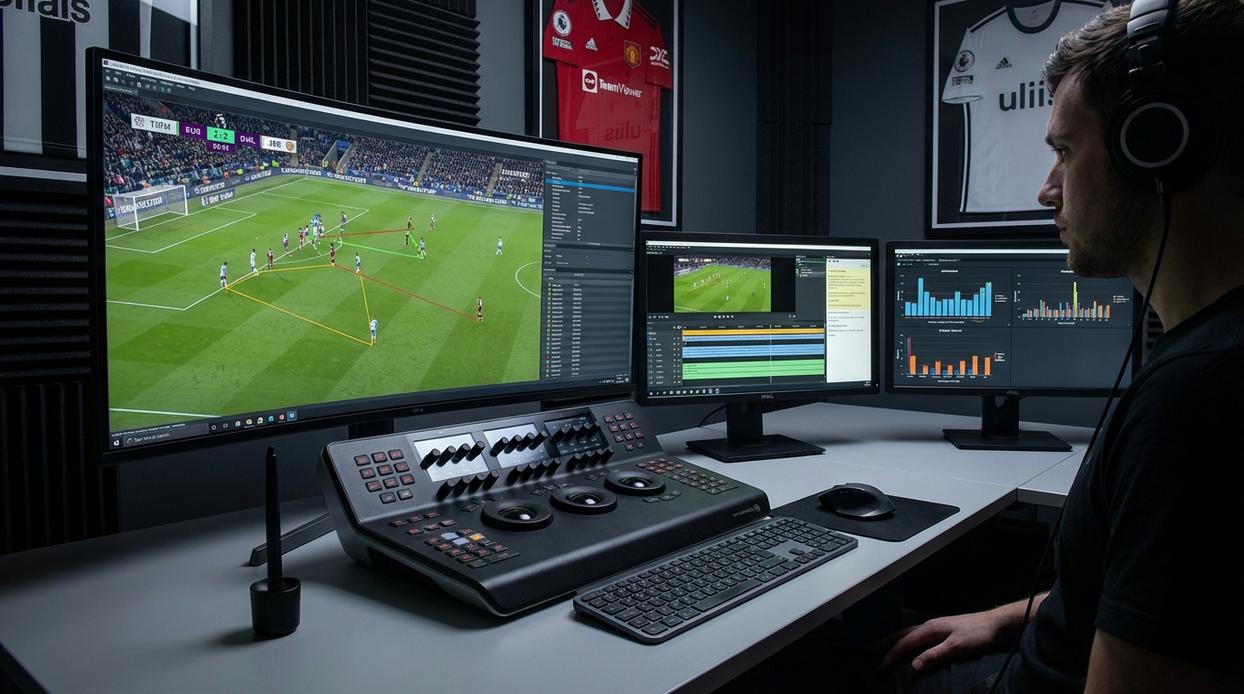
If you want to dominate duels, stop playing on autopilot. Pause every key fight and dissect it frame by frame. This is where micro-level combat awareness—your control over tiny mechanical details—separates average players from killers.
Focus on three pillars:
- Crosshair placement (was it already at head level before the peek?)
- Movement efficiency (did you strafe with purpose or panic shuffle?)
- Ability sequencing (did you layer skills logically or overlap value?)
A proper vod review analysis forces you to confront mistakes you never notice in real time. That missed shot? Often it started with lazy crosshair placement two seconds earlier.
Ability and Cooldown Discipline
Every major ability should have intent. Ask yourself:
- Was this used for maximum impact?
- Did I panic-cast?
- Could waiting two seconds have changed the fight?
A cooldown is simply the recovery time before an ability can be used again. Wasting one early can cost the entire engagement. Sometimes restraint wins more fights than aggression.
Target Prioritization in Chaos
In team fights, who did you attack first? The highest threat? The lowest health? The closest body? Target prioritization means choosing the enemy whose elimination shifts momentum fastest. Hindsight often reveals tunnel vision.
Spotting Bad Habits
Look for patterns:
- Reloading in open sightlines
- Predictable left-right strafes
- Ignoring natural cover
These flaws compound. Clean mechanics aren’t flashy—they’re disciplined. And discipline wins duels.
From Analysis to Action: Building Your Improvement Plan
First, grab a notebook. During your vod review analysis, log three to five recurring mistakes. Patterns matter more than one-off blunders. This habit turns frustration into data you can use.
Next, focus on one thing. Trying to fix everything is like respeccing your build mid-battle—you stall out. Pick the flaw costing you games and commit to correcting it over the next 10–20 matches. That focus builds momentum.
Finally, create micro-drills. For example: “For the next five games, I will check my minimap every 10 seconds.” Clear reps create progress and fuel confidence.
Your Path to Consistent Victory
You now have the framework elite players use to systematically eliminate weaknesses. Yet many competitors still guess why they lose. Instead, apply structured vod review analysis to expose macro-level positioning errors. Think of it like reviewing game film in professional sports—patterns reveal themselves. For example, notice where you rotate late and write it down. Then, adjust your next match with intention. Stop guessing and start knowing. Record your next match, focus on macro positioning, and commit to one clear fix. Do this weekly, and improvement becomes inevitable. Victory stops feeling random. It becomes earned consistently.
Master the Battlefield and Take Control
You came here to sharpen your edge in dark-fantasy combat, refine your war mechanics, and gain the strategic advantage others overlook. Now you understand how smarter positioning, efficient resource management, and calculated aggression can turn chaotic battles into controlled victories.
The real frustration isn’t losing — it’s losing without knowing why. Missed cooldowns, wasted resources, poor rotations, and unread enemy patterns cost you progress. When you apply structured tactics and consistent vod review analysis, those mistakes stop being setbacks and start becoming upgrades.
The next step is simple: put this knowledge into action immediately. Rewatch your last match, break down every major engagement, and identify one tactical adjustment to implement in your next session. Small refinements create dominant outcomes.
If you’re serious about climbing faster, optimizing your combat systems, and outplaying opponents consistently, dive deeper into advanced battle breakdowns and strategy guides now. The top players don’t guess — they analyze, adapt, and execute. It’s your move.
 Gabrielakina Beeson is the kind of writer who genuinely cannot publish something without checking it twice. Maybe three times. They came to battle strategy insights through years of hands-on work rather than theory, which means the things they writes about — Battle Strategy Insights, Dark-Fantasy Combat Systems, Hot Gaming Topics, among other areas — are things they has actually tested, questioned, and revised opinions on more than once.
That shows in the work. Gabrielakina's pieces tend to go a level deeper than most. Not in a way that becomes unreadable, but in a way that makes you realize you'd been missing something important. They has a habit of finding the detail that everybody else glosses over and making it the center of the story — which sounds simple, but takes a rare combination of curiosity and patience to pull off consistently. The writing never feels rushed. It feels like someone who sat with the subject long enough to actually understand it.
Outside of specific topics, what Gabrielakina cares about most is whether the reader walks away with something useful. Not impressed. Not entertained. Useful. That's a harder bar to clear than it sounds, and they clears it more often than not — which is why readers tend to remember Gabrielakina's articles long after they've forgotten the headline.
Gabrielakina Beeson is the kind of writer who genuinely cannot publish something without checking it twice. Maybe three times. They came to battle strategy insights through years of hands-on work rather than theory, which means the things they writes about — Battle Strategy Insights, Dark-Fantasy Combat Systems, Hot Gaming Topics, among other areas — are things they has actually tested, questioned, and revised opinions on more than once.
That shows in the work. Gabrielakina's pieces tend to go a level deeper than most. Not in a way that becomes unreadable, but in a way that makes you realize you'd been missing something important. They has a habit of finding the detail that everybody else glosses over and making it the center of the story — which sounds simple, but takes a rare combination of curiosity and patience to pull off consistently. The writing never feels rushed. It feels like someone who sat with the subject long enough to actually understand it.
Outside of specific topics, what Gabrielakina cares about most is whether the reader walks away with something useful. Not impressed. Not entertained. Useful. That's a harder bar to clear than it sounds, and they clears it more often than not — which is why readers tend to remember Gabrielakina's articles long after they've forgotten the headline.