
Dark-fantasy war games demand more than fast reflexes—they require calculated decisions, ruthless efficiency, and mastery of complex combat systems. If you’re here, you’re likely looking for sharper battle strategies, smarter resource allocation, and a deeper understanding of the mechanics that separate average players from dominant warlords. This guide dives into the most impactful war-themed mechanics, from optimizing damage rotations to mastering cooldown and consumable management, so you can control the battlefield instead of reacting to it.
We’ve analyzed high-level gameplay patterns, emerging meta shifts, and proven in-game tactics used by competitive players to ensure every insight here is practical and results-driven. Whether you’re refining your combat approach, strengthening your army’s sustainability, or looking to maximize efficiency in prolonged engagements, this article delivers focused, battle-tested strategies designed to elevate your performance in today’s most intense dark-fantasy conflicts.
The Internal Clock: Mastering Cooldowns and Usage Timers
Every fight has two battles: the one on screen and the one in your head. The second is all about cooldown and consumable management. In simple terms, a cooldown is the mandatory waiting period before you can reuse an item or ability. Misjudge it, and you’re swinging air while your opponent pops a potion.
First, distinguish your timers. Personal cooldowns affect only you (like a 60-second healing potion). Shared group cooldowns lock out similar items—use one battle standard, and all standards go dark. Knowing the category prevents accidental overlap.
Active Timer Tracking in Chaos
So how do you track three or four timers mid-fight?
- Use audio cues. Many games attach distinct sounds to item readiness. Train yourself to react to the chime, not the icon.
- Anchor to rhythm. Count in sets of five after activation. Sixty seconds becomes twelve steady beats (yes, like a metronome in a war zone).
- Position your UI intentionally. Keep consumables near your character model, not buried in a corner.
Admittedly, some players argue that strict tracking kills immersion. However, high-level PvP proves otherwise—top players treat timers like a chess clock, not background noise.
Next, apply the Rule of Threes: rotate one defensive elixir, one offensive bomb, and one utility scroll. If timed correctly, at least one option is always available. Pro tip: stagger activation by 10–15 seconds rather than stacking.
Finally, remember cooldowns are a weapon. Bait out an enemy’s heal, disengage briefly, then re-engage during their vulnerability window. It’s ruthless—but efficient (and far more reliable than button-mashing).
For sustained supply, review these efficient gold farming routes for rpg progression to ensure you never enter battle empty-handed.
Inventory Discipline: A System for Tracking What You Have
The Pre-Battle Checklist
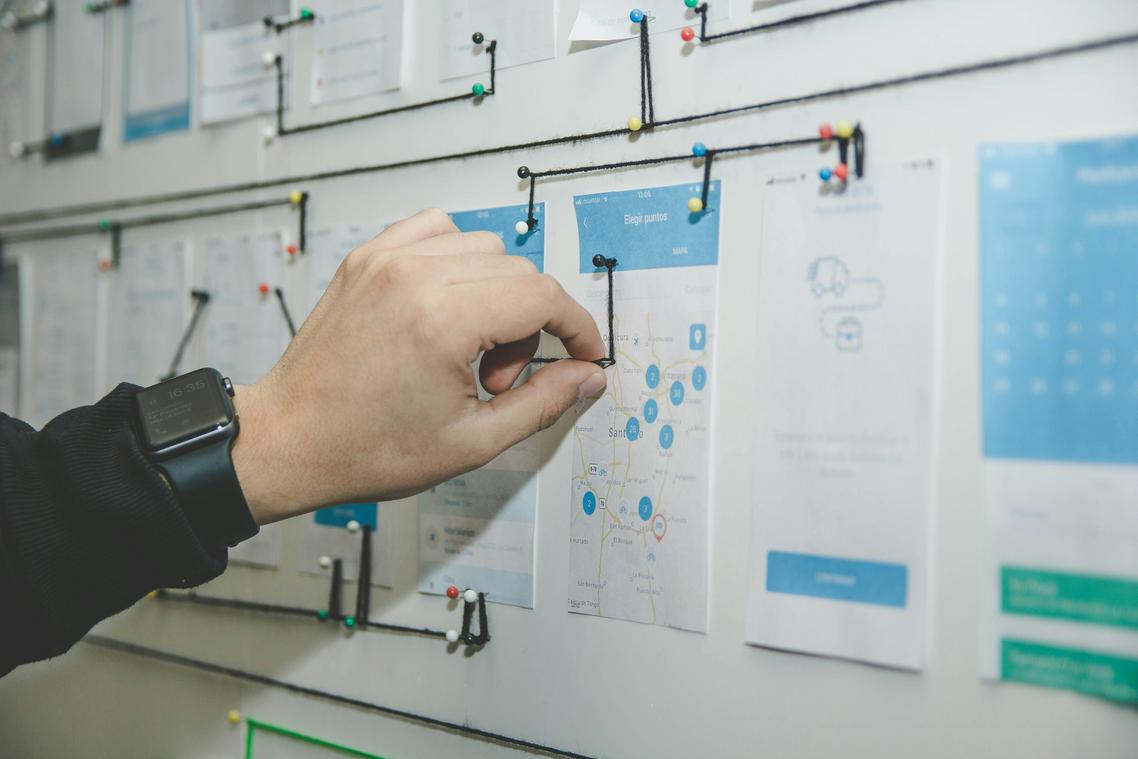
Back in 2022, after three straight weeks of wiping in endgame raids, I started timing my prep routine. It took less than two minutes to review potions, grenades, buffs, and repair kits—yet skipping it cost hours in failed pulls. A pre-battle checklist is exactly what it sounds like: a repeatable review of your consumables before entering a dungeon, raid, or PvP match. Think of it as your character’s last breath before the storm (yes, even heroes need a grocery check).
Define your baseline: How many health potions feel safe? How many emergency escapes? Pro tip: set a minimum stock number and never queue below it.
Organizing Your Hotbar
The Combat Triangle layout places healing, damage, and utility items in a tight ergonomic cluster on your action bar. Healing at your strongest finger, damage just adjacent, utility slightly offset. This spatial logic builds muscle memory over time—usually within a month of consistent play. It’s the difference between calmly reacting and panic-scrolling like you dropped your sword in the dark.
Resource Scarcity vs. Abundance
In tighter in-game economies, rare elixirs should be reserved for progression fights or ranked PvP. When crafting mats flood the market (as happened during last summer’s event cycle), common grenades become expendable tools, not treasures. Adaptation is the core of cooldown and consumable management.
Visual and Auditory Cues
Modern addons and weak auras provide flashing alerts or sharp audio pings when items refresh or run low. These cues reduce cognitive load and ensure nothing critical slips through unnoticed mid-battle.
Advanced Tactics: Psychological Warfare and Resource Denial
High-level combat isn’t about who hits hardest. It’s about who controls the fight. If you want consistent wins, stop treating consumables as panic buttons and start treating them as strategic weapons.
-
Force Movement with Area Denial
Area-of-effect consumables—poison clouds, fire bombs, frost traps—aren’t just for damage. They create pressure. By cutting off escape routes or blocking cover, you force opponents to reposition and burn defensive potions early. Some players argue that saving bombs for guaranteed hits is safer. I disagree. Zoning tools win fights before the health bars drop. (Think of it like herding enemies into a boss arena—except you’re the boss.) -
Master the Feigned Weakness Ploy
Deliberately absorbing calculated damage can bait reckless aggression. When the opponent commits, trigger a pre-planned shield tonic or burst heal and counterattack. Critics say this is too risky—and they’re right if you lack precise cooldown and consumable management. But when executed well, it flips momentum instantly. -
Disrupt Supply Lines
In large-scale battles, prioritize capturing supply nodes or eliminating support carriers. Starving enemies of resources forces desperation plays. A well-timed ambush on a supply runner can swing an entire siege. -
Stack and Sequence Intelligently
Order matters. Apply a vulnerability curse before deploying high-damage explosives. Slow effects before burn effects. Sequence amplifies output exponentially.
Recommendation: Practice these tactics in controlled skirmishes first. Precision beats panic every time.
Understanding the intricacies of managing cooldowns and consumables can make or break your performance in high-stakes battles, especially when you consider how strategic resource allocation ties into the overall value of your gaming experience as explored in our article on ‘How Much Is Darkwarfall Games Online.’
Mastering Dark-Fantasy Combat for Total Battlefield Control
You came here to sharpen your edge in dark-fantasy warfare—and now you understand how layered mechanics, tactical positioning, and cooldown and consumable management separate reckless fighters from calculated conquerors.
When battles feel overwhelming, it’s rarely about raw power. It’s about timing. Missed ability rotations, wasted potions, and poor resource pacing are the pain points that stall progress and cost victories. Mastering these systems turns chaotic encounters into controlled executions.
Now it’s time to act. Apply tighter cooldown and consumable management, refine your battle rotations, and start tracking your resource efficiency in every major encounter. Small adjustments will deliver massive performance gains.
If you’re serious about dominating every warfront, dive deeper into our advanced battle breakdowns and strategy guides. Players trust us as a top-rated source for dark-fantasy combat insights—because we focus on what actually wins fights.
Step back into the battlefield with a plan, execute with precision, and turn every encounter into a calculated victory.
 Gabrielakina Beeson is the kind of writer who genuinely cannot publish something without checking it twice. Maybe three times. They came to battle strategy insights through years of hands-on work rather than theory, which means the things they writes about — Battle Strategy Insights, Dark-Fantasy Combat Systems, Hot Gaming Topics, among other areas — are things they has actually tested, questioned, and revised opinions on more than once.
That shows in the work. Gabrielakina's pieces tend to go a level deeper than most. Not in a way that becomes unreadable, but in a way that makes you realize you'd been missing something important. They has a habit of finding the detail that everybody else glosses over and making it the center of the story — which sounds simple, but takes a rare combination of curiosity and patience to pull off consistently. The writing never feels rushed. It feels like someone who sat with the subject long enough to actually understand it.
Outside of specific topics, what Gabrielakina cares about most is whether the reader walks away with something useful. Not impressed. Not entertained. Useful. That's a harder bar to clear than it sounds, and they clears it more often than not — which is why readers tend to remember Gabrielakina's articles long after they've forgotten the headline.
Gabrielakina Beeson is the kind of writer who genuinely cannot publish something without checking it twice. Maybe three times. They came to battle strategy insights through years of hands-on work rather than theory, which means the things they writes about — Battle Strategy Insights, Dark-Fantasy Combat Systems, Hot Gaming Topics, among other areas — are things they has actually tested, questioned, and revised opinions on more than once.
That shows in the work. Gabrielakina's pieces tend to go a level deeper than most. Not in a way that becomes unreadable, but in a way that makes you realize you'd been missing something important. They has a habit of finding the detail that everybody else glosses over and making it the center of the story — which sounds simple, but takes a rare combination of curiosity and patience to pull off consistently. The writing never feels rushed. It feels like someone who sat with the subject long enough to actually understand it.
Outside of specific topics, what Gabrielakina cares about most is whether the reader walks away with something useful. Not impressed. Not entertained. Useful. That's a harder bar to clear than it sounds, and they clears it more often than not — which is why readers tend to remember Gabrielakina's articles long after they've forgotten the headline.